Community Left Behind: Being Queer in Idaho
Finn #36.3
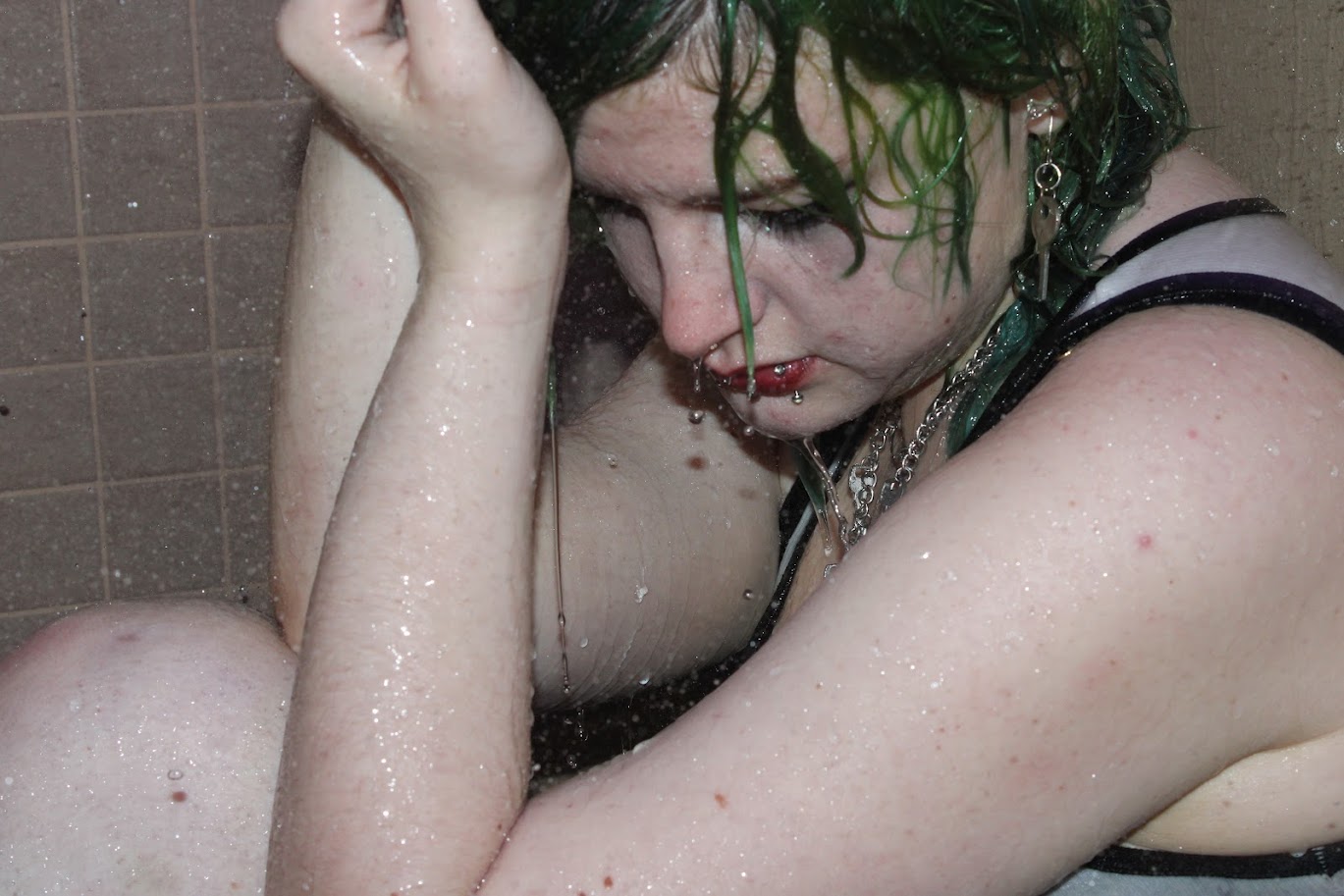
images by Alex(a) Cruz-Abarca
Community Left Behind: Being Queer in Idaho
By Marceline
Idaho’s state capitol, Boise, hosts Pride every September. At first, Boise’s Queer celebration was held in secret with small picnics in local parks. But now, Boise Pride has been officially established since 1989, coming up on its 36th anniversary next Fall. As is all too common in Idaho, though, the presence—let alone celebration—of a marginalized community brings an appalling amount of controversy. A place to celebrate queer and trans beauty is quickly blemished by online threats of gun violence and protestors standing at the entrance, holding signs with the supposed word of god that accuse us of blasphemy. It’s a stark reminder that every Pride celebration is a protest.
Police officers stand to the right of the entrance, guns loaded in their holsters. However, as most do, the police department proves questionable in its efficacy and morals. Not only does the Boise Police Department have many historical incidents of oppression against POC and LGBTQ+ people, a recent incident at Boise Pride in 2022 ended with a protester harassing LGBTQ+ people being sent home while a festival security officer was arrested and charged with Battery for removing him—something the police refused to do after being asked for assistance. The incident led to a judge finding the private security officer not guilty and a civil lawsuit against Boise Police Department for Negligence, which was also later dismissed. In a community under as much threat as Idaho’s, the question rises: who would the police truly help should something happen? While they claim to be there to support and protect the LGBTQ+ community, many past actions have proved their discrimination towards marginalized groups. It clearly rings true that any Pride event in the state requires some form of protection, but the police’s biases, especially when in the political climate Idaho has, can easily come into play. When protestors and queer people see the cops standing by the entrance—which group then feels safer?
Across the street from where the officers stand, a priest is propped up with a microphone and speaker, shouting bible verses at attendees of Pride. In the middle sits a table offering free coffee from a local cafe if you would consider accepting the lord into your life and repenting for all your gay sins. Many protestors have shown up for multiple years. They hand out tiny bibles and fake money with irrelevant scriptures and regurgitated accusations. They all have the same claims, points, and supposed empathetic feelings for the propaganda the LGBTQ+ community has fallen victim to. I’m loved despite my sins, I will be kept in their prayers, I can still be saved, being gay is the wrong choice, it’s gross, it’s unnatural, it doesn’t make sense. According to them, they’re giving us an opportunity to be saved. All we need to do is change everything about ourselves, down to our fundamental cores. And yet, the protestors that show up at Pride only represent an incredibly minute amount of the threat faced by LGBTQ+ Idahoans daily.
While historically, anti-LGBTQ+ rhetoric has specifically targeted and demonized queer individuals, we’ve seen a violent shift towards the discrimination of trans individuals in recent years. In Idaho, state-wide laws are proposed and passed daily that prevent trans individuals from using their correct bathroom, pronouns, or names. LGBTQ+ doctors and those that perform or support gender-affirming care or abortions are no longer welcome in the state, and, realistically, never truly were. This not only affects those working in healthcare, but also the queer and AFAB people who no longer have the care they need. Accessing gender-affirming care, especially as a minor, within the state is incredibly difficult, and proves near impossible if the minor is not out or with accepting parents. Additionally, a severe and overlooked bullying problem is present and targets statewide LGBTQ+ youth. In Idaho, libraries and schools can be sued for controversial content deemed as unfit for minors. As usual, this is typically LGBTQ+ content, but extends as far as erasing the United States’ racist history and prevents teachers from covering these topics (like critical race theory), as well. Even after four months, a teacher in Meridian, Idaho, which is right next to Boise, is still fighting to keep a sign saying, “All are welcome,” up in her classroom after being asked to remove it due to the multiracial hands demonstrating political implications and being too similar to DEI narratives. Additionally, all educational staff are legally allowed to deadname minors, and a fight back only proves accessible to those with accepting parents. Idaho’s legislature actively fights all DEI efforts within education. State universities like the University of Idaho and Boise State University have shut down DEI centers in response to the state legislature. In a state that already discriminates against minorities, the closure of DEI centers affects marginalized groups of all kinds—especially people of color—that are facing a further lack of protection, resources, and care. This is the reality of the Republican state: there is no safe haven, even in our most liberal town, Boise. Bullying, harassment, lack of resources, racism, hate crimes, police brutality, suicide; the list goes on.
The reality of Idaho is greatly concerning. The Idahoans previously terrified are only more fearful after Trump’s election, and the youth are facing the worst of it. While some want to stay in Idaho, many who have hopes of relocating are unable to do so. Despite these facts, when people outside of the state think of Idaho, they tend to believe that it doesn’t matter because nobody lives there. In reality, over two million people stare down the barrel of these extreme laws. Similarly, while most people throughout the United States have a negative impression of Idaho, they don’t understand the upsetting reality of living in the far-right state. It can prove incredibly dangerous to be queer in Idaho, and many stay closted to be safe. The voices of so many amazing people are silenced due to these laws and the unsafe reality of living there—and the lack of coverage on it only further silences them. As the focus in mainstream media mainly focuses on anti-trans policies in Texas and Florida, trans and queer people in Idaho face a crisis invisible to most of the United States.
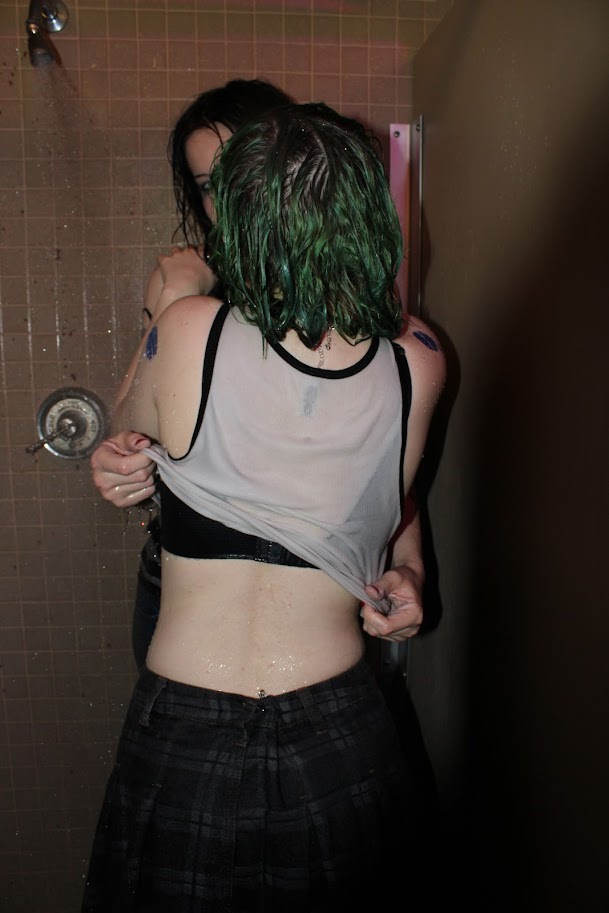
This trend of ignorance is especially alarming when Idaho has functioned as a ‘Ground Zero,’ or testing ground, for other states’ oppressive laws. Idaho served this role especially aggressively in the overturning of Roe v. Wade and their subsequent abortion policies still in effect today. Another relevant example is Idaho’s House Bill 500, which made trans people ineligible for publicly funded sports then spread to 30 other state houses, eventually making it to the federal level in HR 734. In 2024, Idaho’s House Bill 538, which banned public education and government facilities from requiring proper pronoun usage, inspired Tennessee’s HB 1262 enforcing the same thing in 2025. Additionally, Donald Trump has many connections to Idahoan organizations and politicians. One example is Bart Davis, a longtime Idaho politician and ex-senator who was just nominated by Trump to reappoint his position as Idaho’s State Attorney. Another is Pete Hegseth, the current United States Secretary of Defense and Trumpie lap dog who heavily supports a Christian Nationalist Church based in Moscow, Idaho. Despite the size of Idaho, its influence within the U.S.’ political sphere should not be understated. The power of Idaho’s government is precisely why we’ve forgotten about the marginalized communities residing there.
But, despite the oppressive nature of Idaho’s government, many, including me, love the state. I can admit that my love for Idaho may be due to nostalgia and homesickness, but, while Eugene has a strong queer population, Boise’s queer community gave me a level of love and generosity that Eugene lacks. Through aversion and oppression, though the circumstances are clearly unfortunate, you find incredibly close communities. Idaho’s queers are fighting everyday, yet their strength is deeply unrecognized. When our families and lawmakers don’t show up, the community does. When we face another attempt to oppress us, the community fights back. Boise represents the potential with a remarkable amount of character and history, including queer history that is, once again, forgotten. Yet, to mutter any love for Idaho sours my mouth due to its political landscape. The state’s legislature has shown that Idahoan queers love Idaho much more than it loves us. But, there is hope: we will always be here.
When I talked to some of the Idahoan LGBTQ+ community members I know, I found many views reflecting fear for and love of the Idaho queer community. One of them is Moss, a transmasc Liberal Arts student in Idaho who’s incredibly passionate about Boise’s queer history and staying in the state to get it to a place they can be proud of. They shared that they feel Idaho politics are much worse than people realize and agree that Trump’s election proves devastating for Idahoans. Victoria, a lesbian in Idaho, also feels that Trump’s second election has created fear over her queerness that she’s never felt before. Victoria attends college as an English major at the University of Idaho, one of a few colleges that removed DEI centers. She highlighted that while she’s felt some of the effects of the DEI removal, she’s seen POC peers have many more harmful effects from the legislature. While Victoria has eventual hopes of moving out of Idaho, she is determined to fight for her community and others for as long as she remains. T is another resident of Idaho who described many positive experiences at Pride and with the Idaho queer community. Every person I talked to had positive experiences at Pride, expressing their love for a multitude of things about it. While queer Idahoans have a complex relationship with the state because of its politics, there are many beautiful and overlooked aspects of Idaho and the queer community there.
For many Idahoans, Pride proves as the one time they are able to be out and careless. Over Boise Pride weekend, along with the slurry of traffic noises and protestors yelling, you hear performers and drag queens speaking, with the local queer community loudly celebrating in response. The speakers shake the ground surrounding the stage, blasting any Top 40 song that the average white twink revels in. Tens of thousands of attendees have shown up in recent years. At night, rainbow fireworks light the sky in front of the Idaho capitol building. Booths offer free contraceptives, necessities, lists of resources, merch, and hugs. Last year, the city of Nampa, a town slightly outside Boise, was able to host its own Pride festival with an outpour of support. The events bring local drag, guest stars, marches, and highlights the community. It’s an incredible show of the community’s love for one another.
When a Pride protestor in Idaho asked me, “If you had to give up ‘two seconds’ of your overall life to repent and discontinue sinning [I.E. gay sex] for the guarantee of heavenly joy, would you do it?” I told him no, the answer was obvious to me. Queer joy is the greatest joy I’ve ever encountered. To me, being trans or queer *is *joy. All of the protestors’ points forgo the glory queerness provides, I don’t want to be saved. Despite what I’ve faced due to my identity, I wouldn’t give any of it up for a chance at salvation or ‘normalcy.’ Fuck normalcy. Fuck salvation. We’re queer, and we’re here in god damned Idaho.
We must recognize and fight for the state’s minorities, god forbid the drivers with “blue girl, red state” stickers be our only hope for protection. When the realities of the United States are talked about in the West Coast, the topic often focuses on their fears of the worst to come in the South, meanwhile treacherous conditions are actively being faced one state over. While activism is important for every queer facing adversity within the U.S., we have to make sure we’re actually focusing on every queer, not just the ones in larger states. When we dismiss Idaho because of its size or reputation, we also erase a warm, generous, unwavering community of queers, trans people, and POC that experience discrimination on a regular basis due to the state’s political status. If we continue this pattern, we choose to silence and abandon them while prioritizing desirability or numbers over people. By lacking any education on Idaho’s queer community and the threats faced, we empower the Republicans that drown out the community’s voices. Don’t become the monster; stay aware.
Thank you for interviews from T, Moss, Victoria, and Jordan!
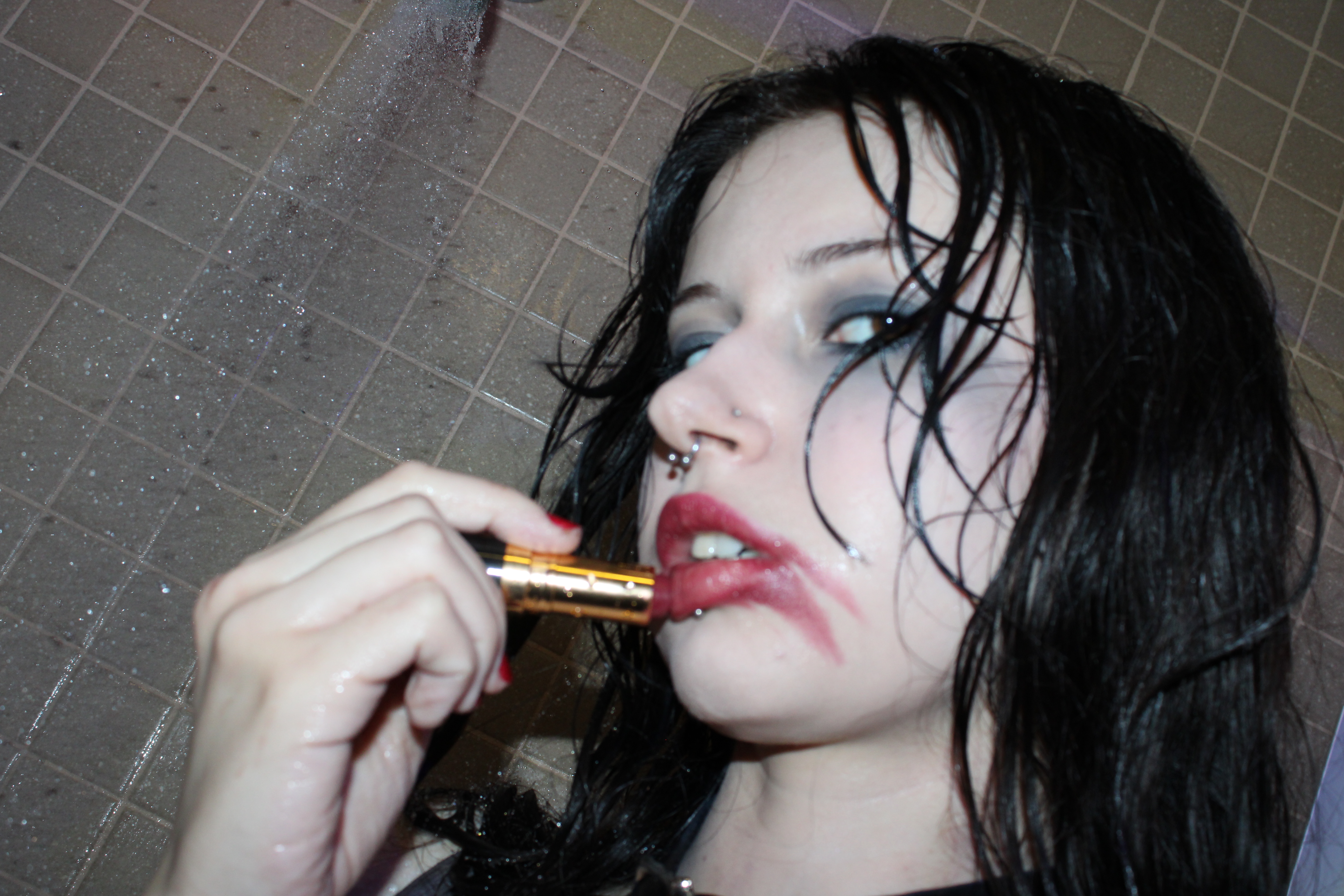
References
https://www.aag.org/will-we-avert-geographys-trans-failure/
https://www.idahostatesman.com/news/local/community/boise/article283804218.html
https://www.espn.com/espn/story/_/id/38209262/transgender-athlete-laws-state-legislation-science
https://apnews.com/article/transgender-lgbtq-bills-laws-idaho-5659fae403bc49eb13cb5ef560b3588a
https://www.idahostatesman.com/news/local/community/west-ada/article303248491.html